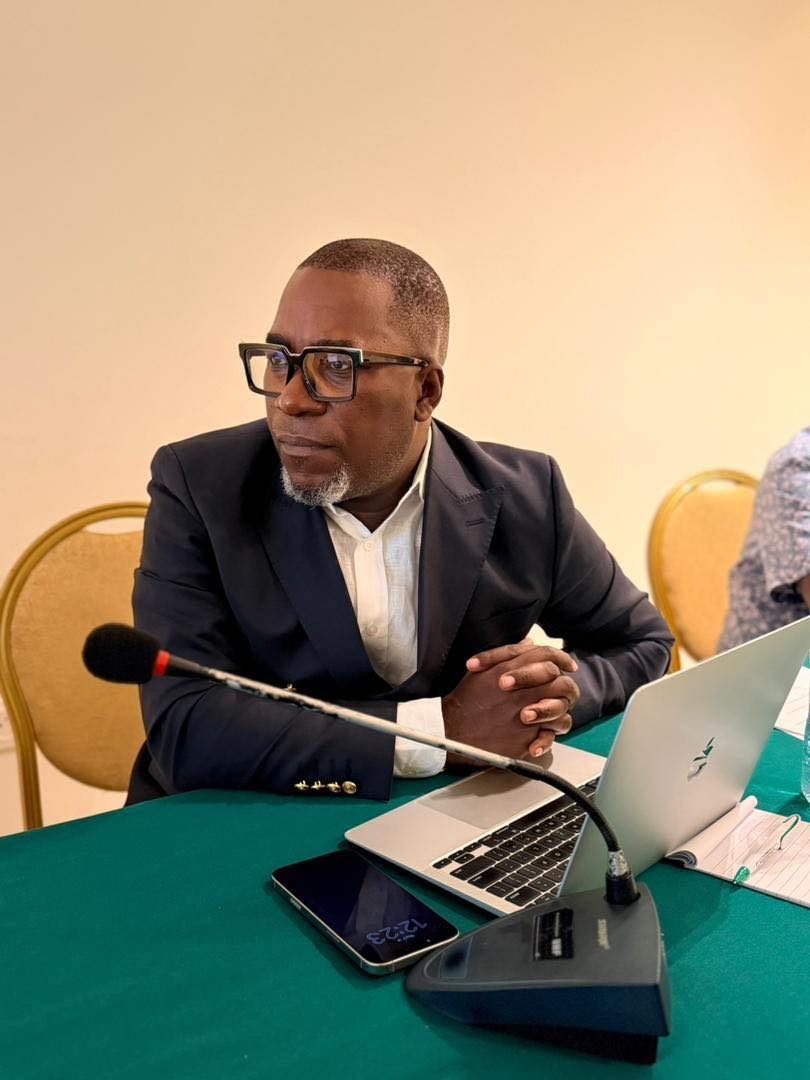
The recent reflections by Nkongho Felix Agbor Balla, publish on his Official Facebook Page (11 May 2026), has raised a deeply unsettling but necessary national question: Who wants SONARA to die? This is not merely a rhetorical provocation. It is a question grounded in lived realities, economic shifts, and growing public perception, particularly within Cameroon’s South West Region, that something fundamental is changing in the country’s development trajectory. At its core, the debate surrounding SONARA is not just about infrastructure. It is about equity, trust, and national inclusion.
According to him, for decades, the Société Nationale de Raffinage (SONARA) represented far more than industrial activity in Limbe. It symbolized: Regional economic stability, Employment and livelihoods for thousands, Strategic national importance and A sense of belonging within Cameroon’s development framework. Its presence transformed Limbe into a vibrant economic hub, sustaining entire ecosystems of businesses, from hospitality to transport and small-scale enterprises.
The 2019 fire incident marked a turning point. What followed, however, has raised more questions than answers. Years after the destruction, the pace of reconstruction and clarity of direction remain uncertain. This prolonged ambiguity has fueled a growing sentiment among citizens:
- Is SONARA still a national priority?
- Is there genuine political will to rebuild and modernize it?
- Or is its decline being quietly accepted?
Such questions do not emerge in isolation. They are shaped by visible contrasts in national development patterns.
While Limbe waits, Kribi is rising. The rapid expansion of infrastructure in Kribi, including: The deep seaport, Industrial zones, Gas infrastructure, Expanding road networks, Discussions of a potential refinery, stands in sharp contrast to the stagnation surrounding SONARA and the long-promised Limbe Deep Seaport. This divergence is not lost on citizens. It creates a powerful perception that strategic economic investments are being geographically reoriented away from the Anglophone region.
According to Barrister Agbor Balla, Whether intentional or not, perception matters in governance. In a country already grappling with the complexities of the Anglophone crisis, such developments risk reinforcing longstanding grievances, including: Marginalization, Unequal distribution of national resources, Limited political and economic inclusion, The Anglophone question has never been solely linguistic. It is fundamentally tied to economic justice and equal participation in national development.
When one region advances rapidly while another appears stalled, citizens will inevitably question the fairness of the system. The frustration surrounding SONARA transcends policy and economics. It touches on deeper societal values: Dignity, Inclusion and Trust. When projects are repeatedly announced but not delivered, confidence erodes. And when confidence erodes, national cohesion weakens.
The concerns raised are not abstract, they are concrete and legitimate:
- What is the definitive roadmap for SONARA’s reconstruction?
- Is there sustained political and financial commitment to its revival?
- What is the current status of the Limbe Deep Seaport project?
- How does the government plan to revitalize the South West Region economically?
These are not regional complaints. They are national accountability questions.
While calling for justice, The Human Rights activist reiterated that Cameroon’s long-term stability depends on balanced development. Economic concentration in select regions, while others stagnate, creates structural inequalities that can deepen political tensions. Sustainable national growth requires:
- Equitable infrastructure investment
- Transparent communication on major projects
- Inclusive economic planning
- Visible commitment to all regions
The question “Who wants SONARA to die?” is ultimately not about assigning blame, It is a call to action—for reflection, transparency, and policy recalibration. Because when citizens begin to feel excluded from the nation’s economic future, the issue is no longer about a refinery in Limbe. It becomes a question of national unity, fairness, and shared destiny. Cameroon cannot afford to let that question go unanswered.
BeriComsEmpire – Advancing Strategic Communication,