The recent presidential decree restructuring Cameroon’s electricity sector and establishing the Société Camerounaise d’Électricité (SOCADEL) has reignited debates about equity and representation in national governance. While the creation of SOCADEL marks a significant step in nationalizing the energy sector, the absence of Anglophone voices on its newly appointed Board of Directors has drawn widespread criticism.
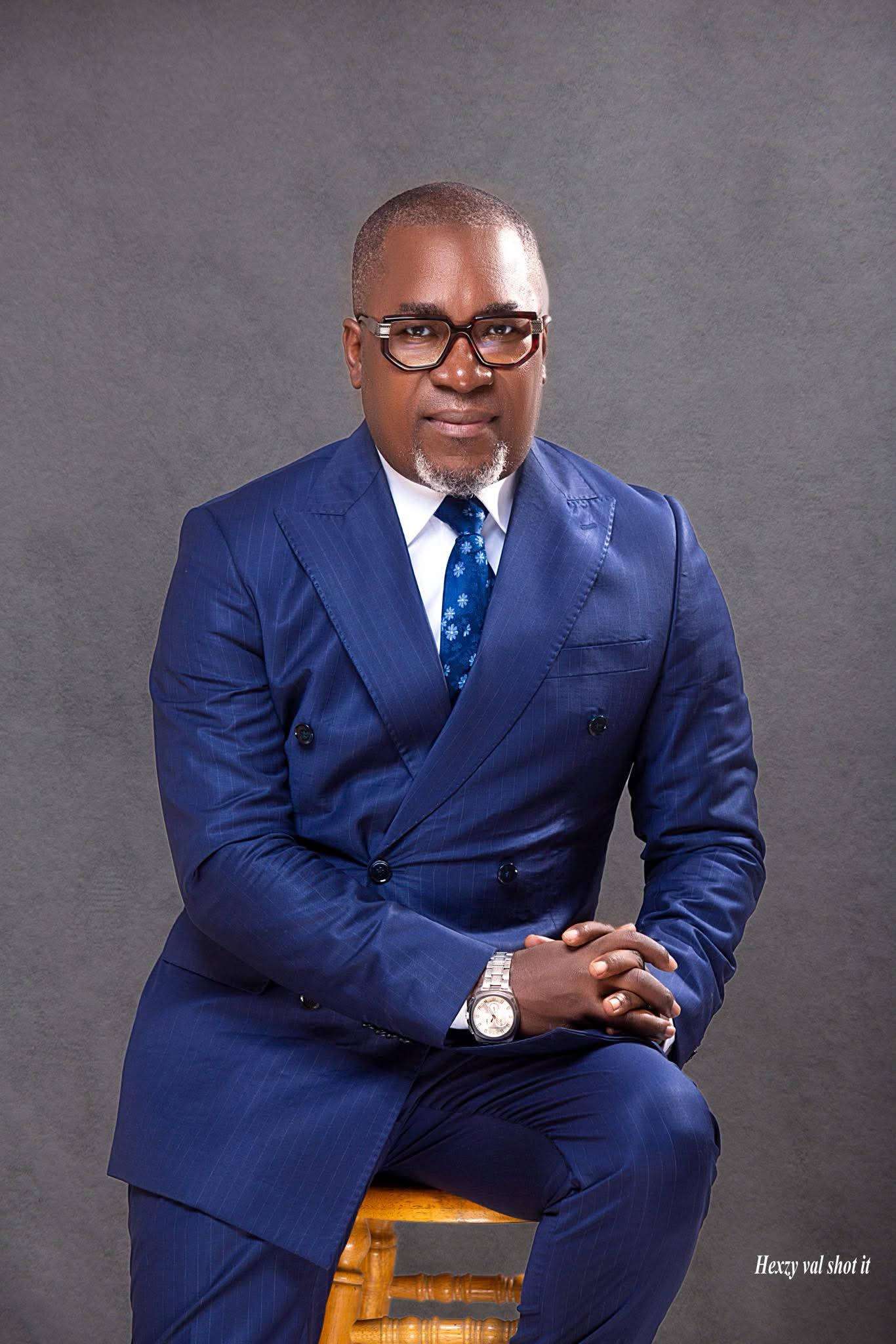
Published on his Official Facebook page on 5 May 2027, Barrister Nkongho Felix Agbor Balla, a prominent human rights advocate, has publicly condemned the appointments, stressing that the omission of Anglophones is not an oversight but a “reflection of a deeper and persistent problem.”
Cameroon’s modern state was built on the union of Francophone East Cameroon and Anglophone West Cameroon. This historical foundation demands balanced representation in national institutions. Yet, once again, Anglophones find themselves excluded from a critical decision-making body. Why This Matters?
- Equity and Inclusion: Representation is not symbolic—it ensures diverse perspectives in governance.
- National Cohesion: Exclusion risks deepening divisions between Anglophone and Francophone communities.
- Public Trust: Consistent absence from leadership positions erodes confidence in state institutions.
Agbor Balla’s warning is stark: “If you are not at the table, you are on the menu.”
Equally troubling is the silence of Anglophone leaders, parliamentarians, senators, ministers, and even the Prime Minister. Agbor Balla argues that silence in the face of imbalance is complicity, calling for courage and responsibility from those entrusted with leadership.
Despite the controversy, there remains a chance to correct the imbalance. As SOCADEL’s Board prepares to designate its Chairperson and appoint executive management, stakeholders can still act with fairness and responsibility. Agbor Balla urges leaders to seize this moment to ensure equitable representation and foster national cohesion.
The SOCADEL appointments controversy is more than a personnel issue, it is a test of Cameroon’s commitment to inclusivity and unity. For Anglophones, the message is clear: exclusion cannot be normalized. For leaders, the responsibility is urgent: representation must be defended, not ignored.