Burkina Faso’s military-led government has dissolved more than 100 non-governmental organizations (NGOs) and civil society groups in a sweeping decision that is drawing strong criticism from human rights advocates across Africa and beyond. The move, officially affecting 118 organizations, marks one of the most significant crackdowns on civic space since the military takeover in 2022.
Authorities argue the decision is rooted in legal compliance and national security. However, critics, including international human rights organizations, warn that it signals an intensifying campaign to silence dissent, weaken civil society, and consolidate state control.
Why Burkina Faso Dissolved 118 NGOs
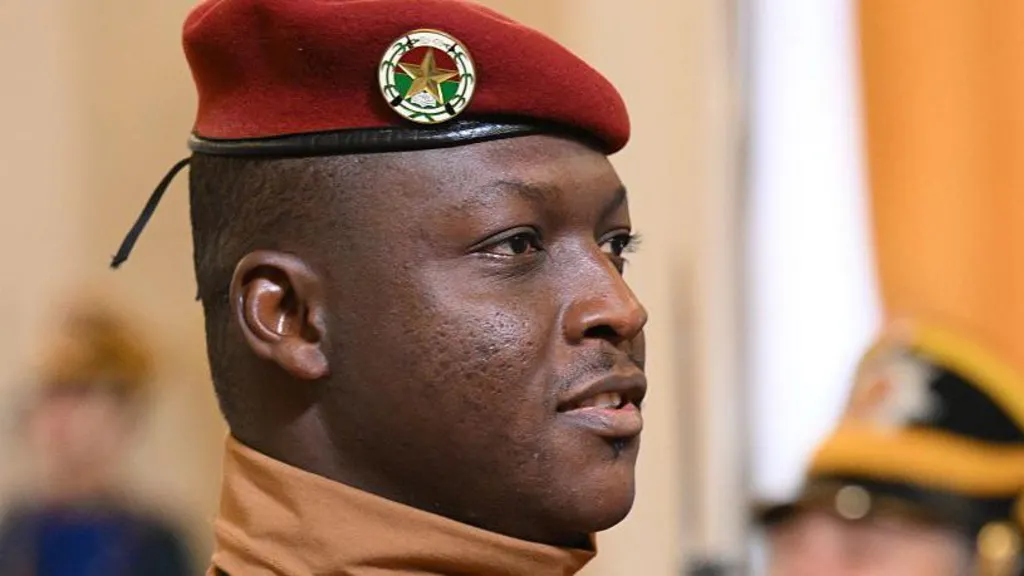
The government, under the leadership of Ibrahim Traoré, announced the dissolution through the Ministry of Territorial Administration and Mobility. Officials claim the affected organizations failed to meet administrative requirements, renew their registrations, or comply with updated regulatory frameworks.
Authorities further justified the decision as necessary to:
- Strengthen oversight of civil society operations
- Protect national sovereignty
- Prevent alleged foreign interference
- Enhance security amid ongoing jihadist violence
Minister Emile Zerbo warned that any organization failing to comply with the new legal framework would face sanctions under existing laws.
While these justifications are framed within governance and security narratives, observers note that such measures often extend beyond administrative enforcement and risk becoming tools of political control.
A Pattern of Increasing Restrictions Since 2022
This latest development is not an isolated incident but part of a broader trajectory of tightening civic and political space in Burkina Faso.
Since the 2022 military coups, the government has implemented several restrictive measures:
- Dissolution of Political Parties (January 2026): All political parties were formally dissolved after years of suspension.
- Financial Control Over NGOs (November 2025): Organizations were ordered to close private bank accounts and transfer funds to a state-controlled treasury system.
- Legal Restrictions on Civil Society (July 2025): New legislation imposed stricter conditions on NGOs, unions, and advocacy groups.
- Suspensions and Revocations: Dozens of organizations have faced temporary suspensions or loss of legal status.
Together, these actions point to a systematic restructuring of the civic environment, one that significantly limits independent organizing and public accountability.
Human Rights Concerns and International Reaction
Human rights organizations have reacted sharply to the mass dissolution. Amnesty International described the move as a “flagrant attack on the right to freedom of association.”
According to Ousmane Diallo, Senior Researcher for the Sahel region:
“This dissolution is entirely inconsistent with Burkina Faso’s international human rights obligations… and part of a broader effort to silence civil society.”
The concerns raised are grounded in established legal frameworks. Burkina Faso is a signatory to key international instruments, including:
- African Charter on Human and Peoples’ Rights
- International Covenant on Civil and Political Rights
Both guarantee fundamental freedoms such as association, expression, and peaceful assembly. The mass dissolution of NGOs, particularly those engaged in human rights work, raises serious questions about compliance with these obligations.
Security vs. Civil Liberties: A Delicate Balance
Burkina Faso remains deeply affected by insecurity linked to armed groups associated with extremist networks such as al-Qaeda and ISIL. The government has frequently cited this context to justify tighter control over civil society, especially organizations receiving foreign funding.
However, the critical question remains:
Can national security be effectively pursued at the expense of fundamental freedoms?
Civil society organizations often play a vital role in:
- Delivering humanitarian aid
- Documenting human rights abuses
- Supporting displaced populations
- Promoting accountability and rule of law
Weakening these actors may inadvertently reduce the country’s capacity to respond to crises and protect vulnerable communities.
Impact on Humanitarian and Development Work
The dissolution of over 100 NGOs is expected to have far-reaching consequences:
- Reduced Humanitarian Assistance: Many affected organizations provide essential services in conflict-affected areas.
- Loss of Monitoring Mechanisms: Fewer independent actors to document abuses and advocate for victims.
- Economic Disruption: NGOs contribute to employment and local economies.
- Increased Vulnerability: Communities already affected by violence may face deeper hardship.
Observers warn that the cumulative effect could exacerbate instability rather than contain it.
Shrinking Civic Space in the Sahel Region
The situation in Burkina Faso reflects a broader regional trend in parts of the Sahel, where governments facing security crises increasingly adopt restrictive measures against civil society.
Such measures often include:
- Surveillance and financial controls
- Legal barriers to registration and operation
- Arbitrary suspensions and dissolutions
- Harassment or detention of activists
These developments highlight a growing tension between state authority and civic freedoms across the region.
Calls for Reversal and Reform
Human rights advocates are urging the Burkinabè authorities to take immediate corrective action, including:
- Reinstating dissolved NGOs and associations
- Revising restrictive legislation
- Ensuring compliance with constitutional and international obligations
- Protecting human rights defenders and civil society actors
- Promoting dialogue instead of repression
The restoration of civic space is widely seen as essential not only for human rights but also for sustainable peace and development.
In conclusion, the dissolution of 118 NGOs and civil society groups represents a pivotal moment for Burkina Faso. While the government frames the decision as a necessary step toward order and sovereignty, the broader implications suggest a significant contraction of democratic space.
Balancing security concerns with respect for fundamental freedoms remains one of the most pressing challenges facing the country today. Without a vibrant and independent civil society, accountability weakens, public trust erodes, and long-term stability becomes harder to achieve.
For Burkina Faso, the path forward will depend on whether authorities choose to engage with civil society as partners in national resilience, or continue down a path of restriction and control.
@berinyuycajetant, Human Rights Activist, cajetantardze@gmail.com