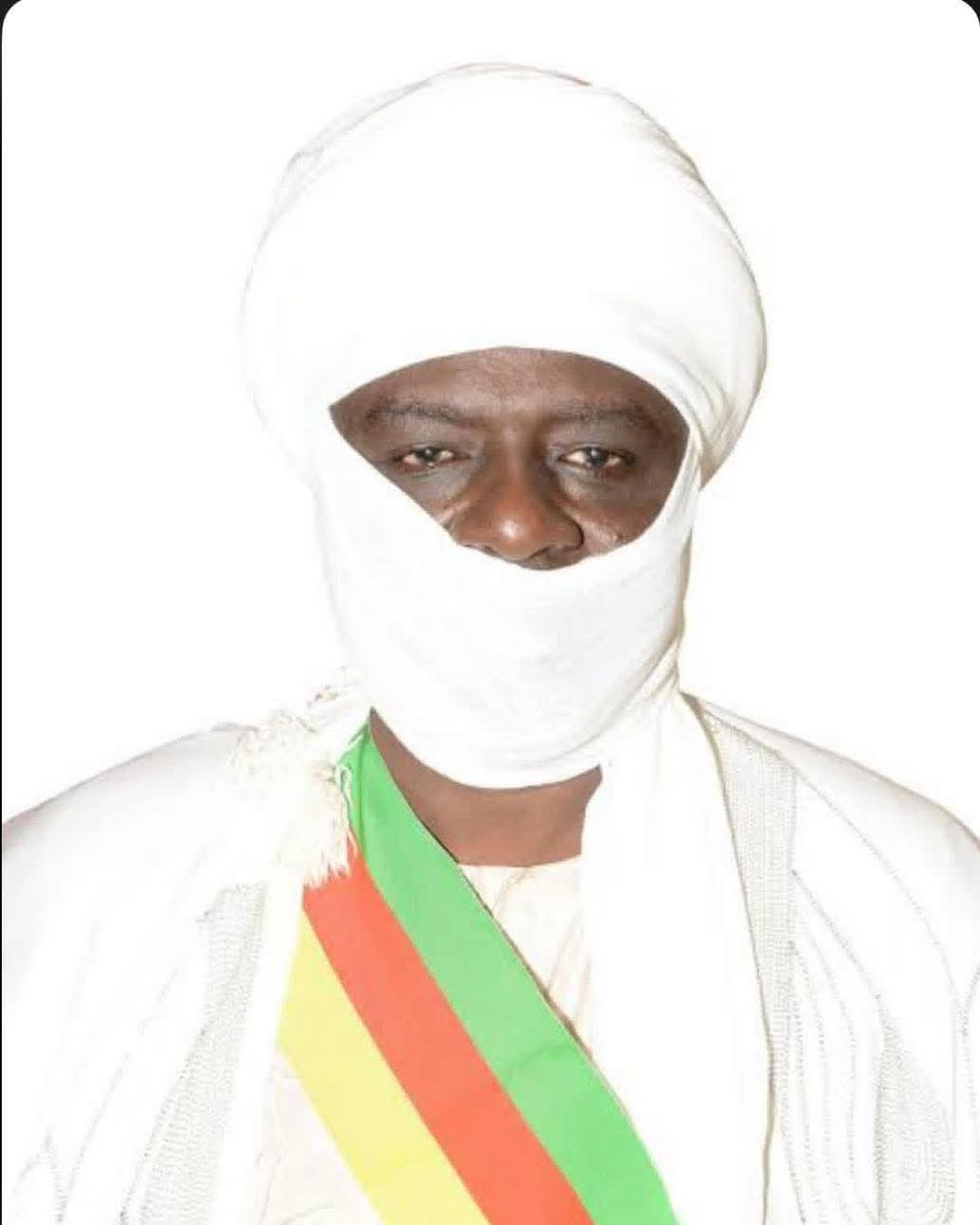
Aboubakary Abdoulaye has been elected President of the Cameroon Senate, succeeding Marcel Niat Njifenji, who led the upper chamber since its effective establishment in 2013. Abdoulaye , a respected traditional leader known as the Lamido of Rey‑Bouba , previously served as First Vice‑President of the Senate and now assumes the institution’s top post at a politically sensitive moment for the country. The election took place on 17 March 2026.
Key Facts at a Glance
- New Senate President: Aboubakary Abdoulaye.
- Predecessor: Marcel Niat Njifenji.
- Senate role: The President of the Senate is the constitutional successor to the President of the Republic and would serve as interim head of state if the presidency becomes vacant, with a three‑month window to organize elections.
- Background: Longstanding vice‑president of the Senate since its inception; also a prominent traditional authority from the North.
Why This Election Matters
- Constitutional significance: As the constitutional successor, the Senate President holds a critical contingency role in national stability and succession planning.
- Political symbolism: Abdoulaye’s elevation brings a powerful traditional northern voice to the helm of the upper chamber, shifting regional representation at the highest parliamentary level.
- Institutional transition: After more than a decade under Marcel Niat Njifenji, the Senate enters a new leadership phase that could influence legislative priorities and executive‑legislative relations.
Abdoulaye’s appointment strengthens northern representation in national institutions and may recalibrate political outreach and resource discussions between regions. Traditional authorities often play stabilizing roles in local governance; his dual status could enhance dialogue between customary and state actors.
Given the advanced age of the sitting head of state, Abdoulaye’s constitutional position as successor will draw attention from political observers and civil society. Transparency around institutional procedures and timelines will be crucial to maintain public confidence should any succession scenario arise.