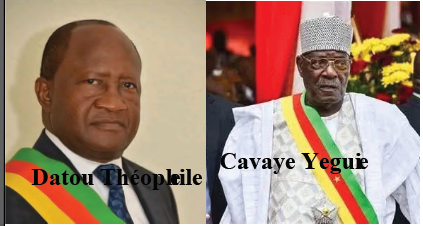
For thirty-four years, Hon. Cavaye Yeguie Djibril stood as the towering figure at the helm of Cameroon’s National Assembly. Since 1992, he presided over the legislative body, becoming the longest-serving House Speaker in the country’s history. His tenure was marked by continuity, stability, and controversy in equal measure. But today, history has turned a new page.
On 17 March 2026, Hon. Datou Théophile, Vice President of the National Assembly, was elected as the new House Speaker. The vote marks the end of an era and the beginning of a new chapter in Cameroon’s parliamentary leadership. Cavaye Yeguie Djibril, once synonymous with the Assembly itself, has finally been replaced, ushering in fresh expectations and renewed debates about the future of governance in Cameroon.
For over three decades, Cavaye Yeguie Djibril’s leadership defined the Assembly. His longevity in office reflected both the entrenched political structures of Cameroon and the challenges of democratic renewal. To many, his departure is symbolic: it signals that even the most enduring political figures must eventually yield to change.
Hon. Datou Théophile’s election is not just a procedural shift, it is a moment of transformation. As a Vice President of the Assembly, he was already familiar with the institution’s workings. Now, as Speaker, he inherits the responsibility of steering legislative debates, ensuring accountability, and representing the Assembly at the national and international level. His leadership will be closely watched by citizens eager for reform and transparency.
This change raises important questions: Will the new Speaker bring a fresh approach to parliamentary governance? Can he strengthen the Assembly’s role as a check on executive power? For many Cameroonians, the hope is that this transition will reinvigorate the legislature, making it more responsive to the needs of the people.
The replacement of a leader after 34 years is a reminder of the importance of civic participation and advocacy. Citizens, civil society, and youth leaders must seize this moment to demand accountability, inclusivity, and reforms that reflect the aspirations of the nation.
According to Barrister Agbor Balla, while reacting to the new role, he wrote
The National Assembly must not remain a ceremonial body. It must rise to its constitutional responsibility:
• To hold the executive accountable
• To reflect the true voice of the people
• To legislate in the interest of all Cameroonians
Hon. Datouo’s emergence also speaks to evolving political dynamics within the system. With this new responsibility comes a historic opportunity:
👉 To strengthen parliamentary oversight
👉 To restore public confidence in state institutions
👉 To ensure that the Assembly becomes a space for real debate, not mere endorsement
Cameroon stands at a critical crossroads. The expectations of citizens—especially the youth—are clear: more accountability, more transparency, and more inclusion.
Hon. Cavaye Yeguie Djibril is now history as the longest-serving National Assembly President. Hon. Datou Théophile’s election represents both continuity and change. The future of Cameroon’s democracy will depend not only on his leadership but also on the collective will of the people to push for progress.v