Bamenda, Cameroon , October 6, 2026: Cameroon’s Minister of Territorial Administration, Paul Atanga Nji, has announced tougher measures to regulate commercial motorcycle transport in the North-West Region, including a 48-hour suspension of motorcycle sales to allow authorities to conduct an inventory of motorcycles available in shops across the region.
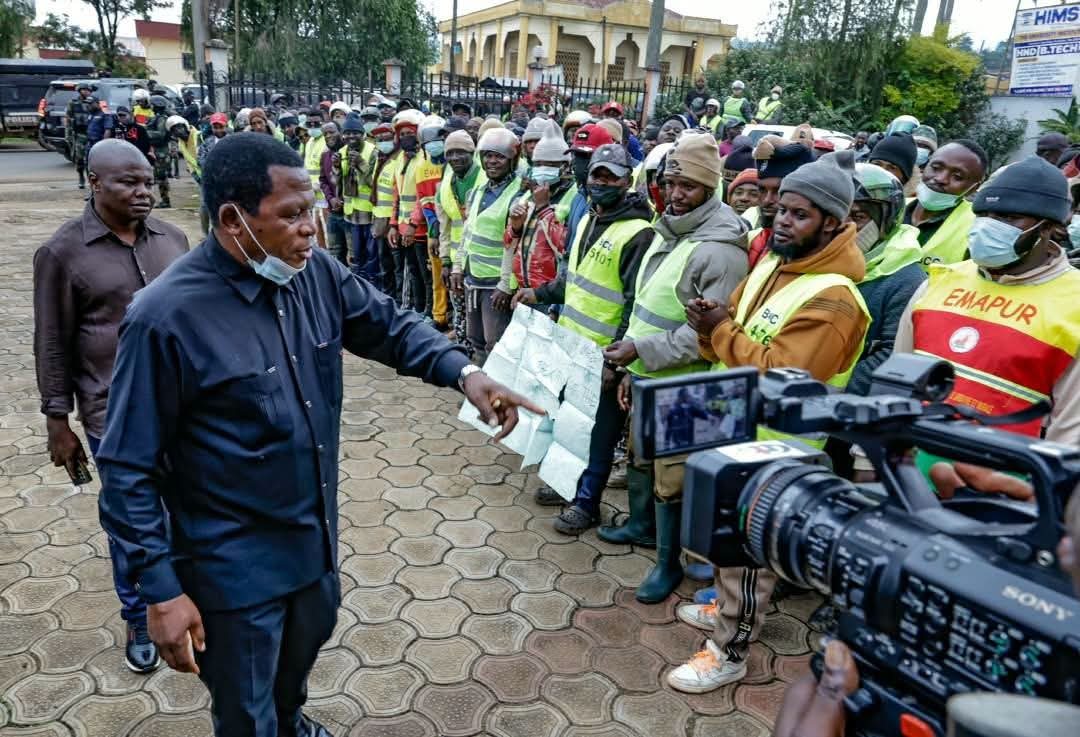
The announcement was made on Monday, October 5, 2026, in Bamenda, during a meeting between the minister and about 380 commercial motorcycle riders and their leaders.
According to a statement published on the Ministry of Territorial Administration’s official Facebook page, the meeting followed a high-level security meeting with senior officers of the Defence and Security Forces. It was convened to review commitments made under a 2023 social contract with commercial motorcycle riders, assess progress in the identification process launched in 2020 and address security concerns associated with the sector.
Atanga Nji Orders 48-Hour Suspension of Motorcycle Sales
During the meeting, Minister Atanga Nji instructed motorcycle dealers to cooperate with administrative authorities and the Forces of Law and Order in establishing the number of motorcycles currently stocked in shops.
The temporary suspension of sales is intended to enable authorities to count and register motorcycles in existing stock.
Going forward, the minister said the sale of motorcycles must be accompanied by proper identification of the buyer and registration of the motorcycle before it leaves the shop.
The measure is part of a broader effort to ensure that authorities can establish who owns and operates motorcycles in the region.
Four Key Documents Required From Commercial Riders
Minister Atanga Nji said commercial motorcycle riders must possess the required identification and legal documents to operate.
The essential requirements include:
- A valid motorcycle number plate;
- A valid driving licence;
- A national identity card; and
- The required council registration or identification number.
The minister warned that motorcycles operating without the required identification and documentation would face stronger enforcement measures.
According to the Ministry, security reports indicate that only approximately 20 percent of commercial motorcycle riders have voluntarily completed the required identification process, while about 80 percent remain unidentified.
The minister said completing the identification process would help authorities distinguish law-abiding riders from individuals who may use motorcycles to facilitate criminal activities.
Numbered Jackets to Make Riders Easily Identifiable
Authorities are also introducing a stronger identification mechanism involving numbered jackets for commercial motorcycle riders.
According to the ministry, different colours will be used in different municipalities, making riders easier to identify from a distance.
Identification jackets were distributed during Monday’s meeting as part of efforts to improve accountability and security within the commercial motorcycle sector.
Security Concerns Behind the Measures
The government has repeatedly expressed concern over the use of motorcycles in criminal activities in the North-West Region.
Minister Atanga Nji cited reports linking some commercial motorcycle riders to aggravated theft, targeted killings, kidnappings for ransom, organised crime and destruction of property.
Motorcycles have also been identified as a potential means through which armed separatists, bandits and kidnappers can move around communities or blend into civilian populations.
“If we solve the problem of bike riders, we will put an end to terrorism in this region,” Atanga Nji was quoted as saying, according to MMI News.
The minister also raised concerns about motorcycle-related accidents and cases in which injured victims are allegedly abandoned at hospitals.
He warned riders against allowing their profession to be used to facilitate kidnappings, attacks, bag-snatching and other criminal activities.
Riders Ordered to Carry Only One Passenger
The minister also reiterated restrictions concerning passenger transportation, including a prohibition on riders carrying more than one passenger at a time.
The measure is expected to form part of broader efforts to improve road safety and regulate commercial motorcycle operations.
Authorities are also considering tricycles as an alternative means of urban transportation as the government seeks safer and more regulated mobility solutions.
Financial and Material Support for Riders
Alongside the stricter measures, the minister announced financial and material assistance for commercial motorcycle riders.
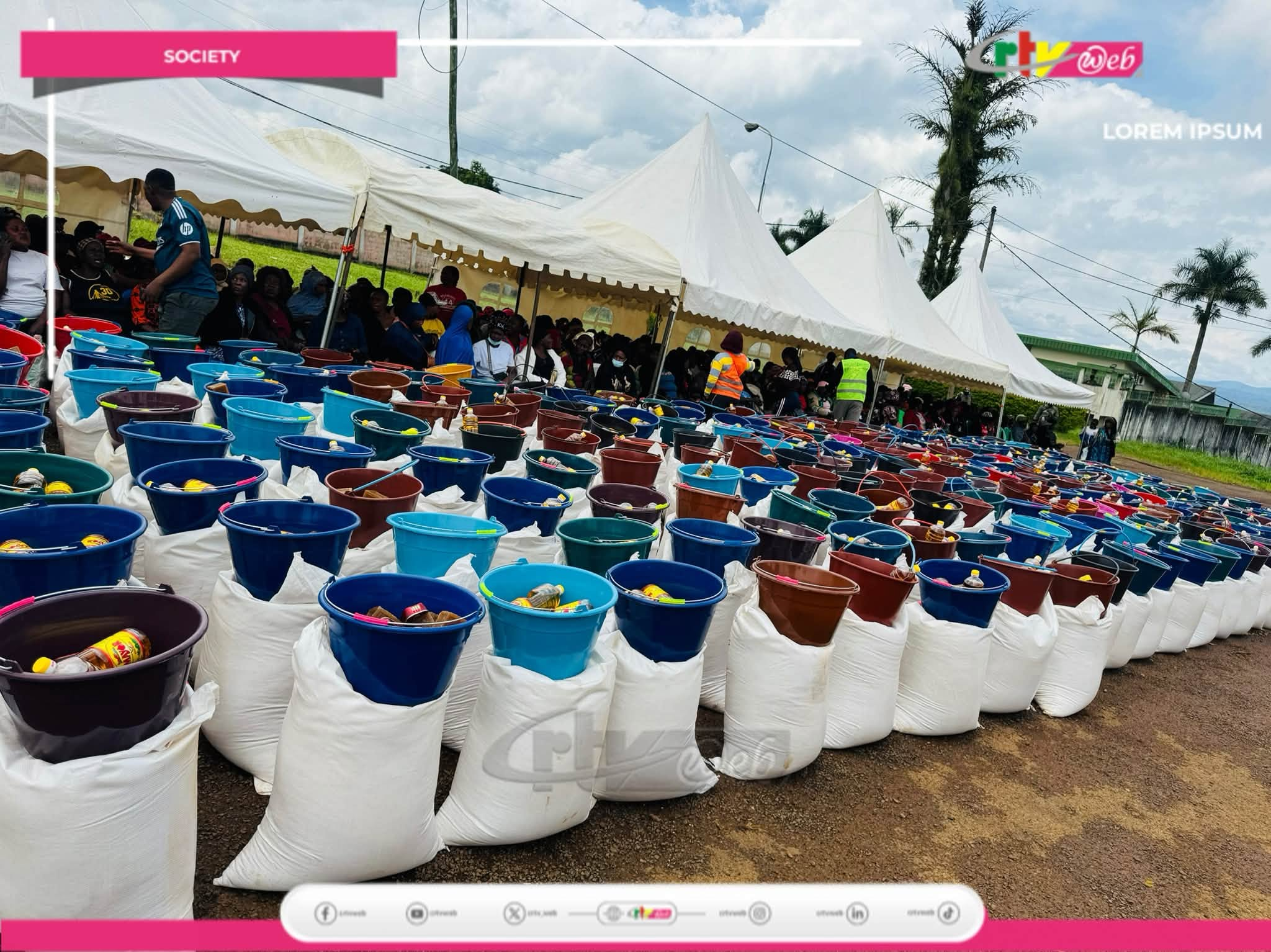
According to the ministry, 300 riders will each receive FCFA 10,000, alongside other support including:
- 50-kilogram bags of rice;
- Identification jackets;
- White T-shirts;
- Bibles for Christian riders; and
- Copies of the Holy Quran for Muslim riders.
The minister also offered to pay the identification fees for the first 100 commercial motorcycle riders who report to the Bamenda City Council to complete their registration.
The initiative is intended to encourage greater compliance with the identification exercise.
‘The Period of Sensitisation Is Largely Exhausted’
Minister Atanga Nji described commercial motorcycle transport as a sensitive sector that must operate within the law.
“We are partners in business,” the minister told the riders, while stressing that such partnership comes with responsibilities.
He urged riders and their leaders to cooperate with administrative authorities and the Forces of Law and Order.
The minister said the period of sensitisation had largely been exhausted and that stronger enforcement would now follow.
He also invoked Romans 13, which speaks about respect for governing authorities, while calling on riders to uphold peace, morality and respect for the law.
What the New Measures Mean for Motorcycle Riders in the North-West
The new measures represent a significant tightening of government control over the commercial motorcycle sector in the North-West Region.
For riders, the immediate priority will be completing the identification process and ensuring that motorcycles have the required documentation.
For motorcycle dealers, the 48-hour suspension creates a temporary window for authorities to establish an inventory of motorcycles in shops and strengthen oversight of future sales.
The government maintains that the measures are primarily aimed at improving security, accountability, road safety and regulation in a sector that plays a major role in transportation across the region.
However, the effectiveness of the measures will ultimately depend on consistent implementation, transparent identification procedures and cooperation between riders, dealers, councils, administrative authorities and security forces.
Source: Ministry of Territorial Administration Facebook Page; MMI News.