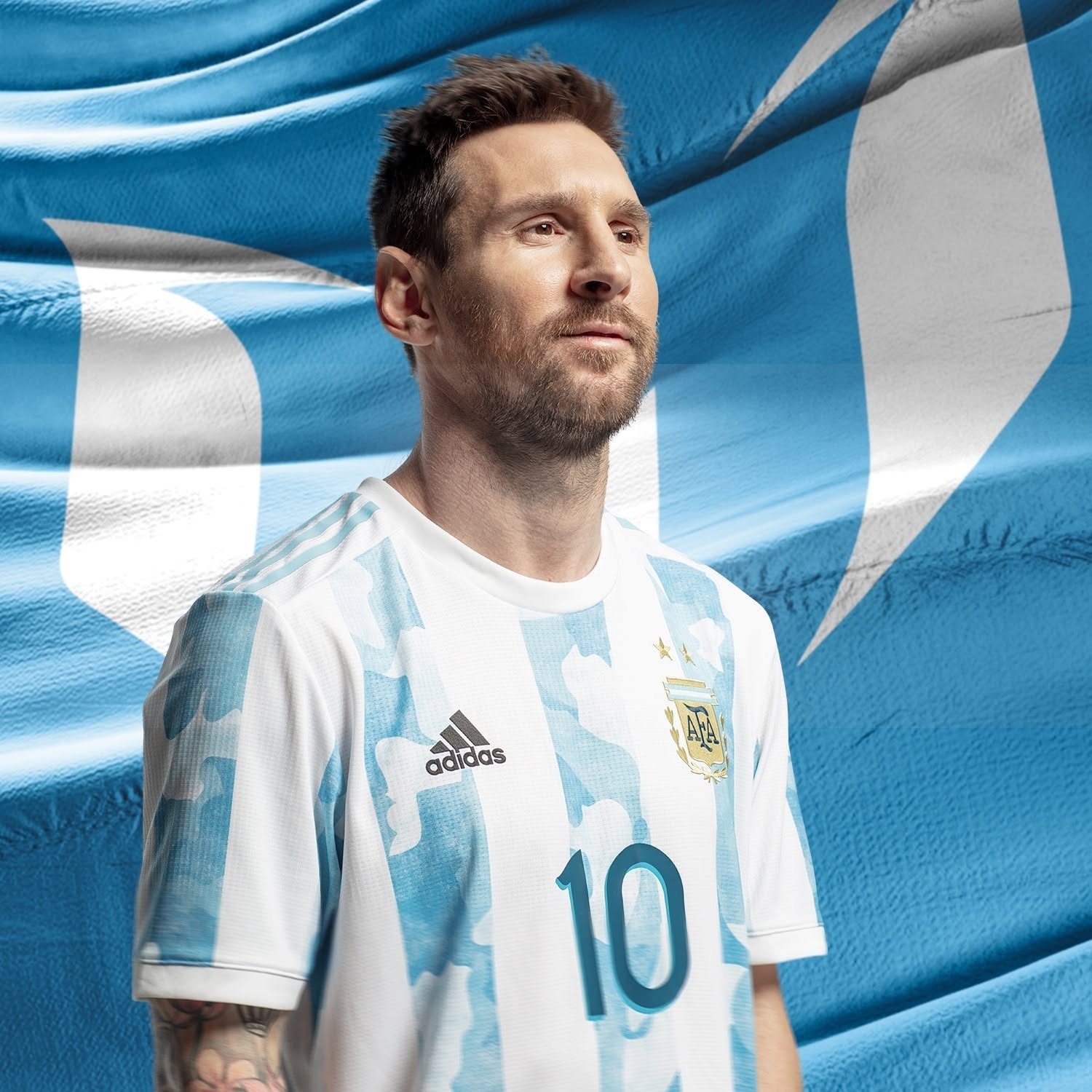
Lionel Messi’s international career has come full circle. Ten years after announcing his first retirement from Argentina duty following a heartbreaking Copa América defeat, the football icon has finally closed the door on the national team — leaving behind a legacy that was once in serious danger of never being completed.
At 39, Messi announced his retirement from international football on Monday, August 31, 2026, ending more than two decades of service to Argentina. He departs as the country’s all-time leading scorer and appearance holder, with 125 goals in 207 matches.
His final international chapter came at the 2026 FIFA World Cup, where Argentina reached the final but suffered a 1-0 extra-time defeat to Spain at New York New Jersey Stadium. But the story could have ended a decade earlier.
He wrote on his Facebook page as follows
After this time that has passed since the final, thinking about it a lot, I want to inform everyone that I am retiring from the National Team… It was a decision that hurt and still hurts in the soul, but I understand that it’s the right time. I swear I always gave everything, not just the last few years when I won everything before that too, and I always fought and gave everything for this jersey, to bring them joy and make them proud to be Argentinians through football.
There’s not much left and stages are closing, and this one hurts me a lot. I love, loved, and will always love being in the National Team. I’ve emptied myself, I no longer have anything left to give, and besides, there are very big kids coming up who deserve to be there.
Thank you for all the love over these 20 years. I’m going to miss hearing from you from the inside a lot. Now I’m going to be one of you, always cheering and supporting from the outside (in the good times and the bad, even more).
Thanks to my family for always being there, for accompanying me on this beautiful but difficult journey. Thanks to each of the coaches, teammates, and leaders I had the chance to share with. I take away memories and unforgettable moments lived.
I’m leaving with the peace of mind and pride of having given them, together with my colleagues, the moments they dreamed of. It was crazy to have lived it with you. I love you!
Thank God for making me Argentine.
Go Argentina!
*I wrote these words on July 21, two days after the final. Today, after what happened to my dad, I’m more convinced than ever.
The night Messi almost walked away
On June 26, 2016, Messi was just 29 when Argentina lost the Copa América Centenario final to Chile on penalties. The defeat was particularly painful because Messi missed Argentina’s first penalty in the shootout. It was Argentina’s fourth major final defeat during his international career: the 2007 Copa América, the 2014 World Cup, the 2015 Copa América and the 2016 Copa América.
Overwhelmed by disappointment, Messi announced that he was retiring from international football. “For me, the national team is over,” he said at the time. The decision shocked Argentina and the football world. For years, Messi had been judged against the achievements of Diego Maradona and criticized for failing to deliver a major senior international trophy despite his extraordinary club success with Barcelona.
Then came the remarkable turnaround.
The decision that changed football history
Messi’s retirement lasted only weeks. Following an emotional public campaign and calls for him to return, the Argentine superstar reconsidered his decision. He ultimately chose to continue representing his country.
That decision changed everything. According to FIFA, the same New York/New Jersey venue that witnessed Messi’s heartbreak in 2016 later hosted Argentina’s 2026 World Cup final defeat to Spain — creating an extraordinary full-circle ending to his international career. Had Messi stayed retired in 2016, Argentina might never have experienced the greatest period of his international career.
From heartbreak to historic triumph
The years that followed transformed Messi’s relationship with Argentina. In 2021, he finally won his first major senior international trophy when Argentina defeated Brazil to claim the Copa América.
A year later came the ultimate prize. Messi captained Argentina to World Cup glory in Qatar in 2022, finally achieving the trophy that had eluded him throughout his career. The triumph dramatically changed the way Argentines viewed their captain.
Messi was no longer simply the superstar who had failed to win with Argentina. He was now a World Cup champion. He subsequently added another Copa América title in 2024, giving Argentina a remarkable run of major international success.
A decade that almost never existed
From the moment he returned in 2016 to his final appearance in 2026, Messi produced numbers and achievements that would have been difficult to imagine during the darkest years of his international career. He scored 70 additional goals in 94 appearances after his first retirement decision, according to analysis of his second act with Argentina.
He also helped Argentina win:
- Copa América 2021
- Finalissima 2022
- FIFA World Cup 2022
- Copa América 2024
More importantly, Messi changed the narrative surrounding his international career. The player once accused of being unable to reproduce his Barcelona magic for Argentina became the captain who delivered the country’s biggest football prize.
The final chapter
Messi’s final international tournament in 2026 provided one last twist.
Argentina reached the World Cup final, but Spain prevailed 1-0 after extra time, denying Messi the perfect farewell. FIFA described Spain’s victory as the culmination of a historic tournament, with the final taking place at the same New York/New Jersey venue where Messi’s international story had taken its dramatic turn in 2016.
Messi later revealed that he had written his retirement statement on July 21, two days after the final. He waited before publishing it, and the death of his father, Jorge Messi, in August further influenced his decision to make the announcement.
In his farewell message, Messi said he had given everything he had to Argentina and that the time had come to close the chapter.
Messi leaves Argentina as a legend
Messi’s international career began in 2005, when he made his senior debut at just 18.
Twenty-one years later, he leaves with records that place him firmly at the top of Argentine football history.
207 appearances.
125 goals.
A World Cup title.
Two Copa América titles.
A Finalissima triumph.
Six World Cup appearances.
He also leaves as an eight-time Ballon d’Or winner and one of the most decorated footballers in history.
His retirement has prompted tributes from across football, including FIFA president Gianni Infantino, who praised Messi’s extraordinary international career and his influence on generations of fans.
Messi’s story with Argentina is therefore not simply about trophies.
It is about failure, criticism, resilience, redemption and ultimately triumph.
In 2016, he believed he had given everything and had nothing left to give.
Thankfully for Argentina — and for football — he changed his mind.
A decade later, the decision that almost ended his international career has become one of the most important turning points in the history of Argentine football.