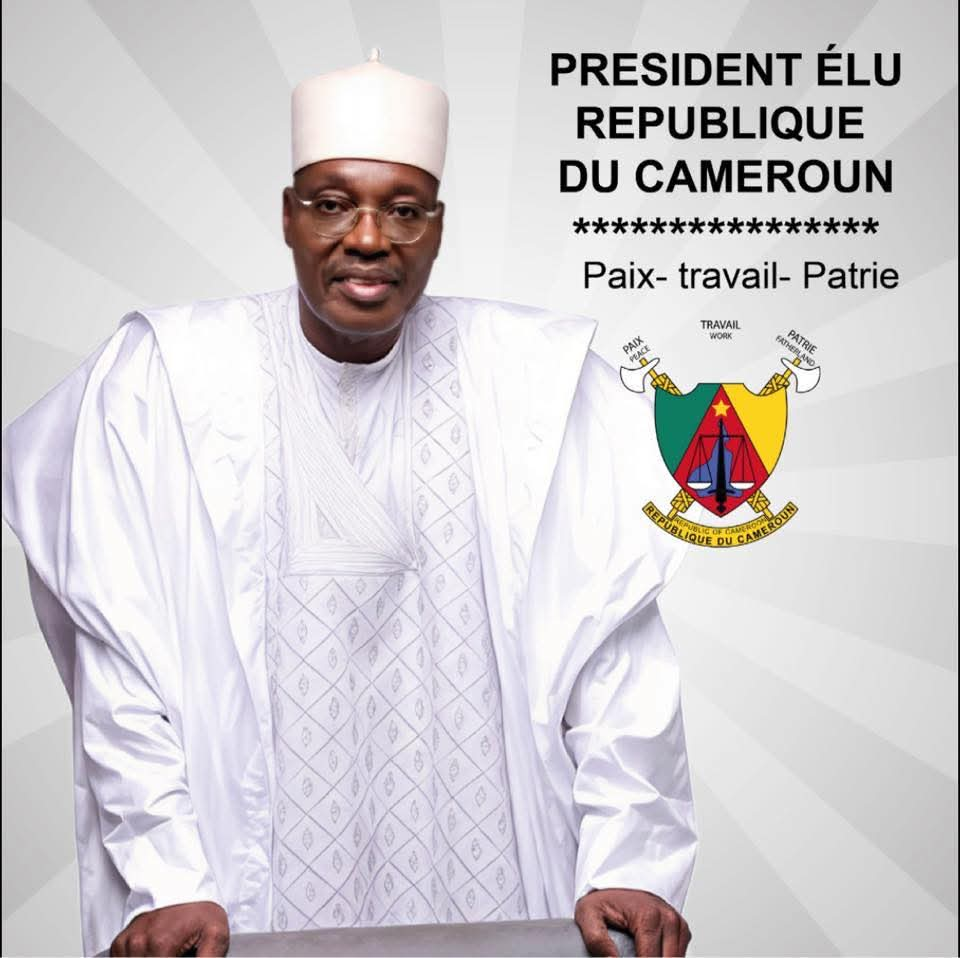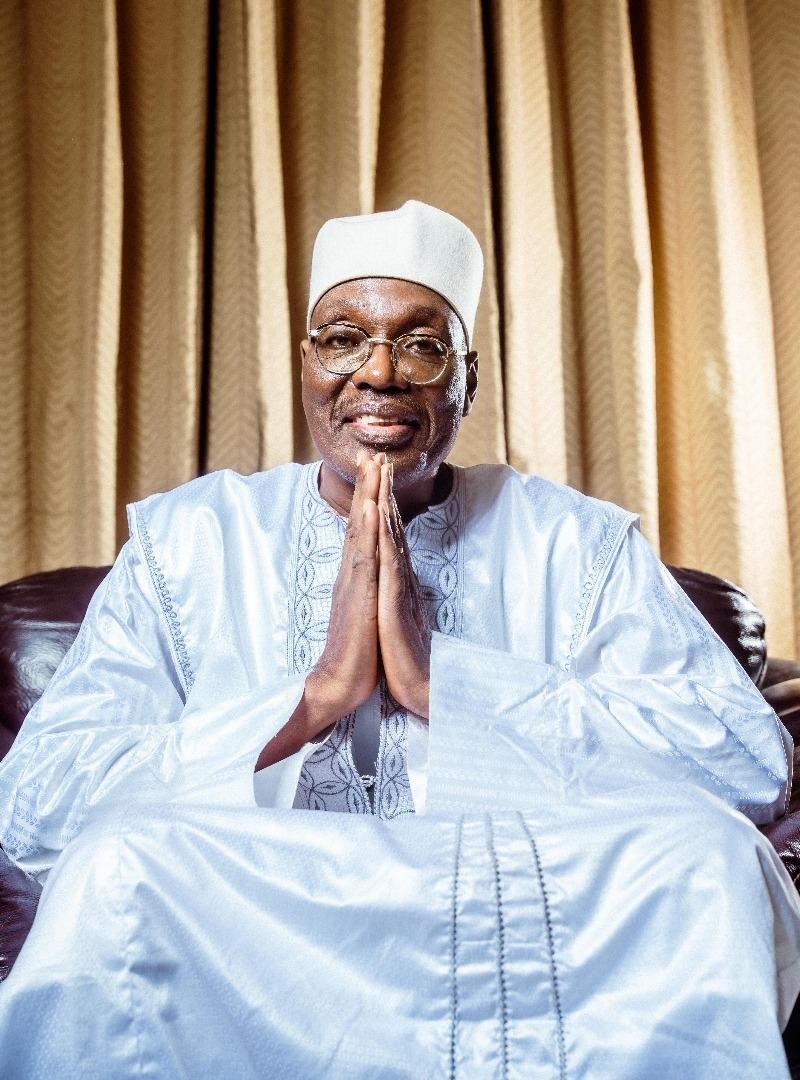
In a dramatic turn of events following Cameroon’s October 12 presidential election, opposition candidate Issa Tchiroma Bakary has unilaterally declared victory, igniting political tension and public debate across the nation. The announcement, made in a five-minute video posted to social media early Tuesday the 14 of October 2025, comes ahead of official results from the Constitutional Council, which has until October 26 to validate the outcome.
Tchiroma’s declaration defies a government warning that any unauthorized publication of election results would be considered “high treason.” Minister of Territorial Administration Paul Atanga Nji reiterated that only the Constitutional Council has the legal authority to announce the winner, emphasizing the gravity of premature claims.
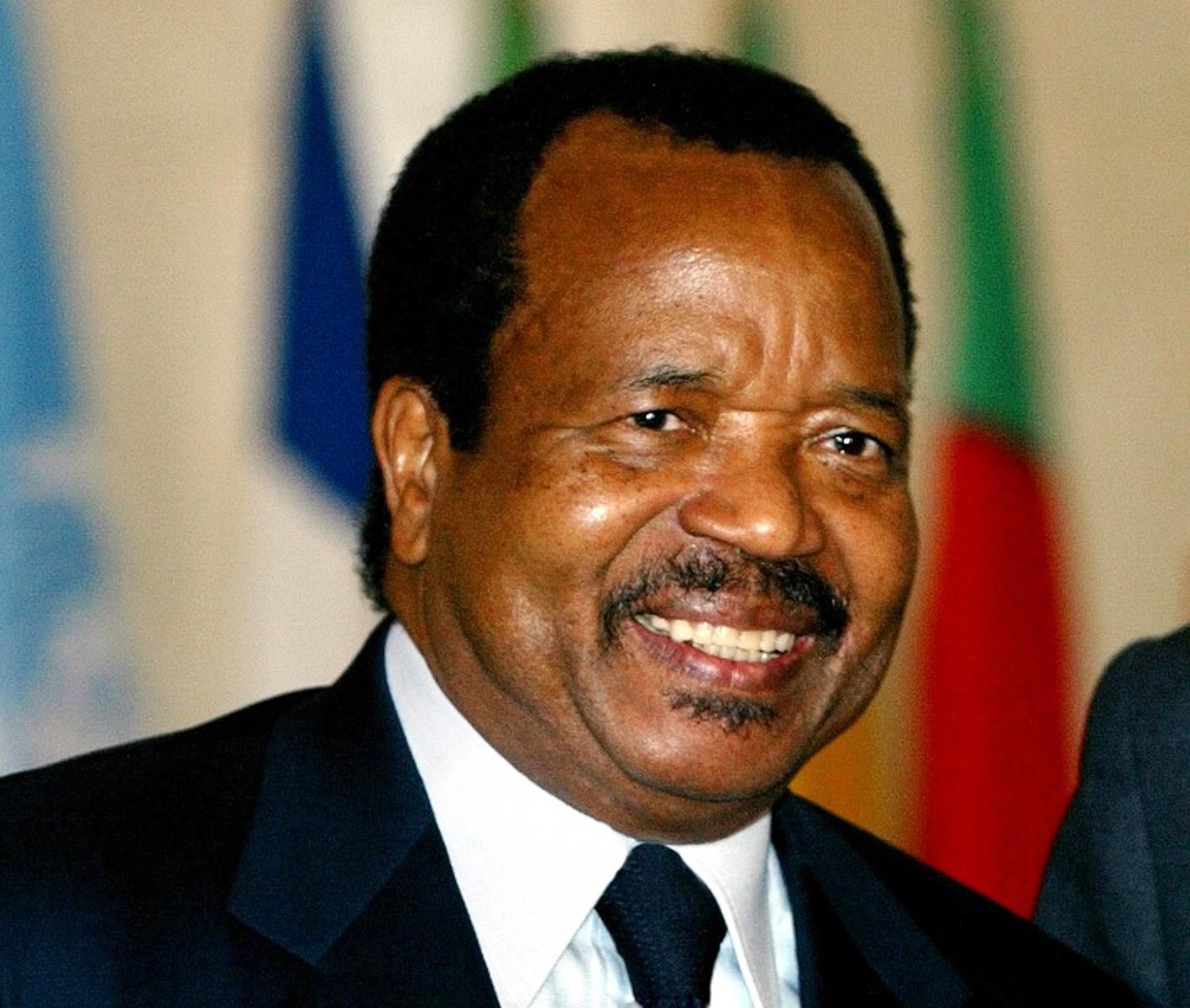
Yet, Tchiroma’s message was resolute and emotionally charged. Speaking from his hometown of Garoua, flanked by the national flag, he called on President Paul Biya, Africa’s longest-serving leader and the world’s oldest head of state at 92, to “honour the truth of the ballot box” and concede defeat. “Our victory is clear, it must be respected,” he said, urging the government and military to “stay on the side of the republic” and not allow themselves to be “diverted from their mission to protect the people.”
Tchiroma’s campaign, launched after his resignation from Biya’s government in June, drew massive crowds and endorsements from a coalition of opposition parties and civic groups. His message of reform, national unity, and democratic renewal resonated with many Cameroonians weary of decades of centralized rule, corruption, and underdevelopment. His speech praised the courage of voters who, despite threats and intimidation, remained mobilized and vigilant throughout the electoral process. “This determination will forever remain engraved in the memory of our Nation,” he declared.
The CPDM, Biya’s ruling party, swiftly rejected Tchiroma’s claim. Gregoire Owona, deputy secretary-general of the party, stated that Tchiroma lacked access to verified polling station results and dismissed the declaration as unfounded. Nonetheless, Tchiroma pledged to release a detailed regional breakdown of votes in the coming days.
The stakes are high. If Biya secures another term, it will mark his eighth consecutive mandate, extending his rule until 2032. Analysts have long predicted his victory, citing the fragmented opposition and his firm grip on state institutions. Yet, Tchiroma’s bold move has shifted the narrative, injecting uncertainty and urgency into the post-election period.
Cameroon’s electoral law permits provisional results to be posted at polling stations, but final tallies must be validated by the Constitutional Council. The coming days will test the country’s democratic institutions, political maturity, and the resilience of its people.
For now, Tchiroma’s declaration stands as both a challenge and a call to conscience. Whether it marks the beginning of a new era or a flashpoint in Cameroon’s political history will depend on how the government, institutions, and citizens respond.
— Berinyuy Cajetan, Human Rights Defender, Advocacy Writer, October 14, 2025