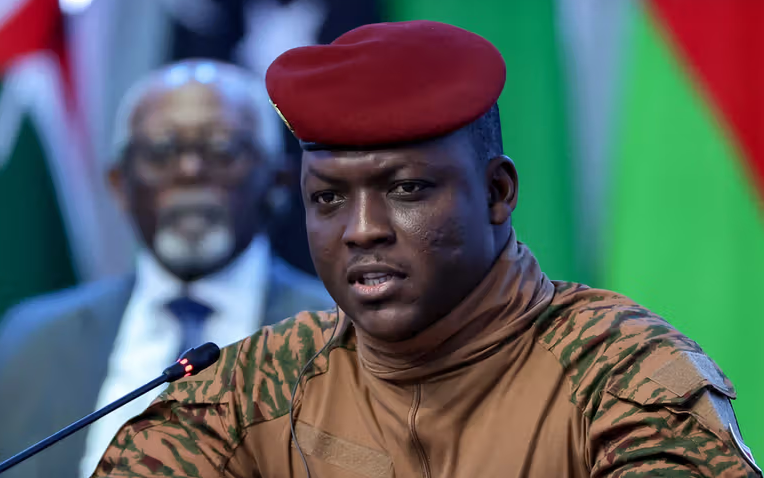
In a landmark decision that has stirred conversation across the continent, Burkina Faso has scrapped visa fees for all African travelers. The announcement was made on Thursday, September 11, by the country’s Security Minister, Mahamadou Sana, after a cabinet meeting chaired by junta leader Captain Ibrahim Traoré. “From now on, any citizen from an African country wishing to go to Burkina Faso will not pay any amount to cover visa fees,” Sana said, adding that while the fees are gone, African visitors will still need to submit an online visa application for approval. (BBC News)
This move aligns Burkina Faso with a growing list of African countries such as Ghana, Rwanda, and Kenya, which have already eased or eliminated visa requirements for African nationals in recent years. Earlier in 2024, Ghana announced that all African passport holders could now visit without a visa, while Kenya introduced a visa-free policy that requires only an online travel authorization. Rwanda has also long kept its doors open to African visitors.
The decision reflects Burkina Faso’s embrace of Pan-Africanist ideals, a cause Captain Ibrahim Traoré has actively associated himself with since seizing power in a 2022 coup. Traoré has portrayed himself as a young revolutionary, often critical of colonial legacies and Western influence, and his popularity has surged across social media platforms. His supporters frame him as a symbol of African pride and self-determination. The junta’s statement emphasized that the free visa system is not only about politics but also about promoting tourism, Burkinabè culture, and raising the country’s global visibility. (Business Insider Africa)
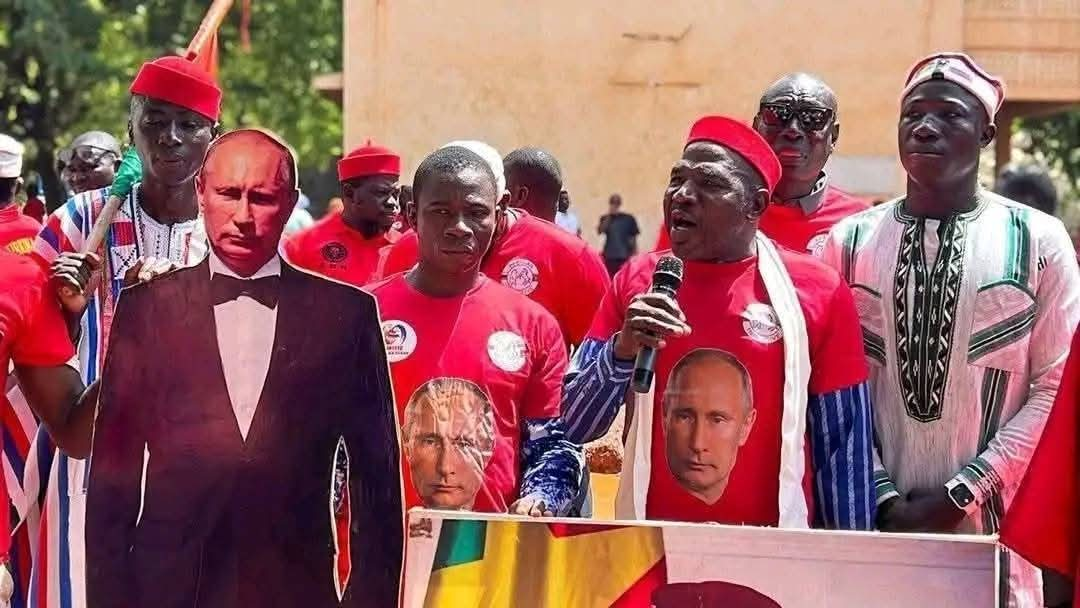
While the policy is inspiring, it unfolds against a backdrop of deep challenges as violence remains widespread despite promises by Traoré’s military government to restore order, partly through new partnerships with Russia. (BBC News). Critics argue that Traoré’s charismatic image masks an authoritarian style of governance. Reports of restricted dissent and crackdowns on opposition paint a more complicated picture of the young leader, even as he gains admiration abroad.
The visa decision also comes at a delicate time: Burkina Faso, alongside Mali and Niger, has withdrawn from the regional bloc ECOWAS. This raises practical questions about the future of free movement in West Africa, which had previously guaranteed visa-free travel for member citizens. By independently scrapping visa fees for Africans, the junta appears to be re-defining what regional integration looks like outside ECOWAS structures.
This announcement holds promise for students, traders, and tourists across the continent, the removal of visa fees could lower the cost of travel and encourage more people-to-people connections. For Burkina Faso, it could mean more cultural exchanges, business opportunities, and a stronger voice in shaping Africa’s future.
Still, challenges remain:
- The online visa approval system could become a bottleneck if not managed transparently.
- Security concerns may push authorities to tighten entry controls despite the fee waiver.
- The loss of revenue from visa fees will need to be offset through tourism or other economic gains.
Burkina Faso’s gesture is powerful in its symbolism, it signals solidarity and ambition for a more interconnected Africa. Yet, the country’s ongoing insecurity and political uncertainty remind us that policy alone cannot bridge all divides. Whether this bold move becomes a genuine driver of African integration or remains a symbolic political statement will depend on implementation, regional cooperation, and the resilience of ordinary Burkinabè people, who continue to bear the brunt of conflict.
For now, the announcement stands as another reminder that Africa’s future will be shaped not only by governments but by the choices that make cross-border movement easier for its citizens.
For more information, consult the following sources: