In a dramatic policy reversal, the United States has announced a new approach to Mali, Burkina Faso, and Niger, three West African nations now ruled by military juntas that have distanced themselves from France and embraced Russia as a security partner.
As reported by BBC News, Nick Checker, head of the State Department’s Bureau of African Affairs, is set to visit Bamako, Mali’s capital, to convey Washington’s “respect for Mali’s sovereignty” and chart what officials describe as a “new course” in relations. The US also signaled readiness to cooperate with Mali’s allies Burkina Faso and Niger on shared security and economic interests, marking a clear departure from its previous emphasis on democracy and governance.
As posted on the official Facebook page, on 31 January 2026, Senior Bureau Official Nick Checker is traveling to Bamako to convey the United States’ respect for Mali’s sovereignty and desire to chart a new course in the bilateral relationship and move past policy missteps. The United States looks forward to discussing next steps for enhancing U.S.-Mali cooperation and consulting with other governments in the region, including Burkina Faso and Niger, on shared security and economic interests.

During the Biden administration, military cooperation was suspended after coups toppled elected governments between 2020 and 2023. Niger’s ousted president Mohamed Bazoum remains under house arrest. But since Donald Trump’s return to the White House, Washington has narrowed its focus to counter‑terrorism and mineral resources, sidelining development aid and governance programs. USAID was shuttered early in Trump’s new term, underscoring the shift.
Balancing Russia’s Role
Russia has deployed around 1,000 security contractors in Mali, with smaller contingents in Burkina Faso and Niger. Allegations of abuses persist, yet US officials now appear unconcerned, signaling that Washington’s priority is preventing Moscow from becoming the sole external defense partner. Africom leaders have confirmed intelligence support and hinted at possible weapons supplies, though no redeployment of US forces is planned.
Regional Stakes
The Sahel has become the “epicenter of global terrorism,” accounting for nearly half of worldwide terrorism deaths. Groups like Islamic State in the Greater Sahara (ISGS) operate across the tri‑border region, threatening both local populations and strategic resources such as Mali’s lithium and Niger’s uranium. Recent attacks, including one at Niamey’s airport, highlight the urgency.
Pan‑Africanist Appeal
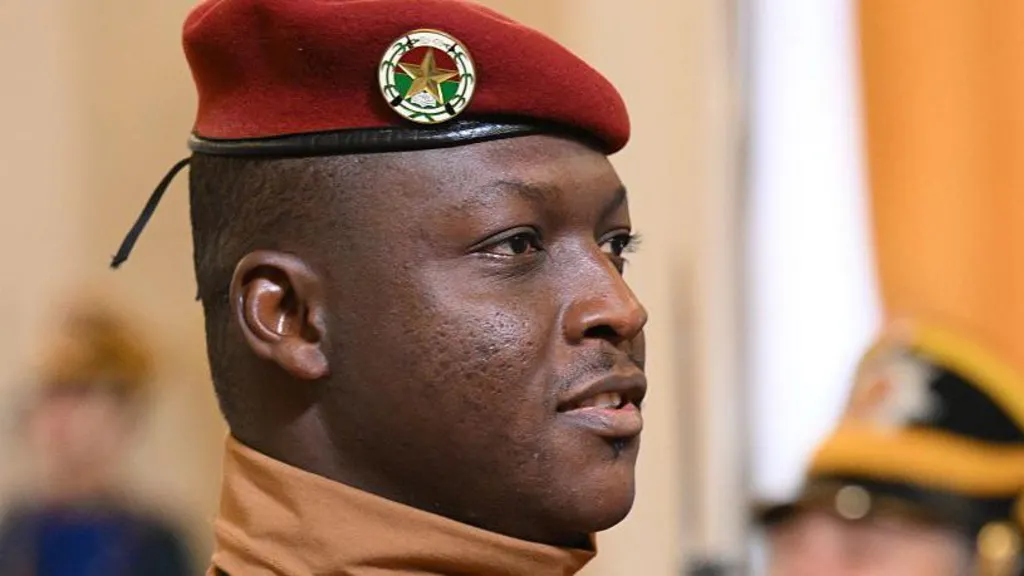
Military leaders such as Burkina Faso’s Capt Ibrahim Traoré have gained popularity by rejecting “neo‑colonialism” and promoting pan‑African unity. Their new Alliance of Sahel States (AES) has replaced ties with ECOWAS, freeing them from regional pressure to hold elections. For Washington, this means engaging them on pragmatic terms, security first, governance later.
Outlook
While US intelligence and weapons may deliver short‑term gains against jihadist groups, analysts warn that military means alone cannot stabilize the Sahel. As France’s decade‑long mission showed, peace requires addressing the deep social and economic stresses of one of the world’s poorest regions.