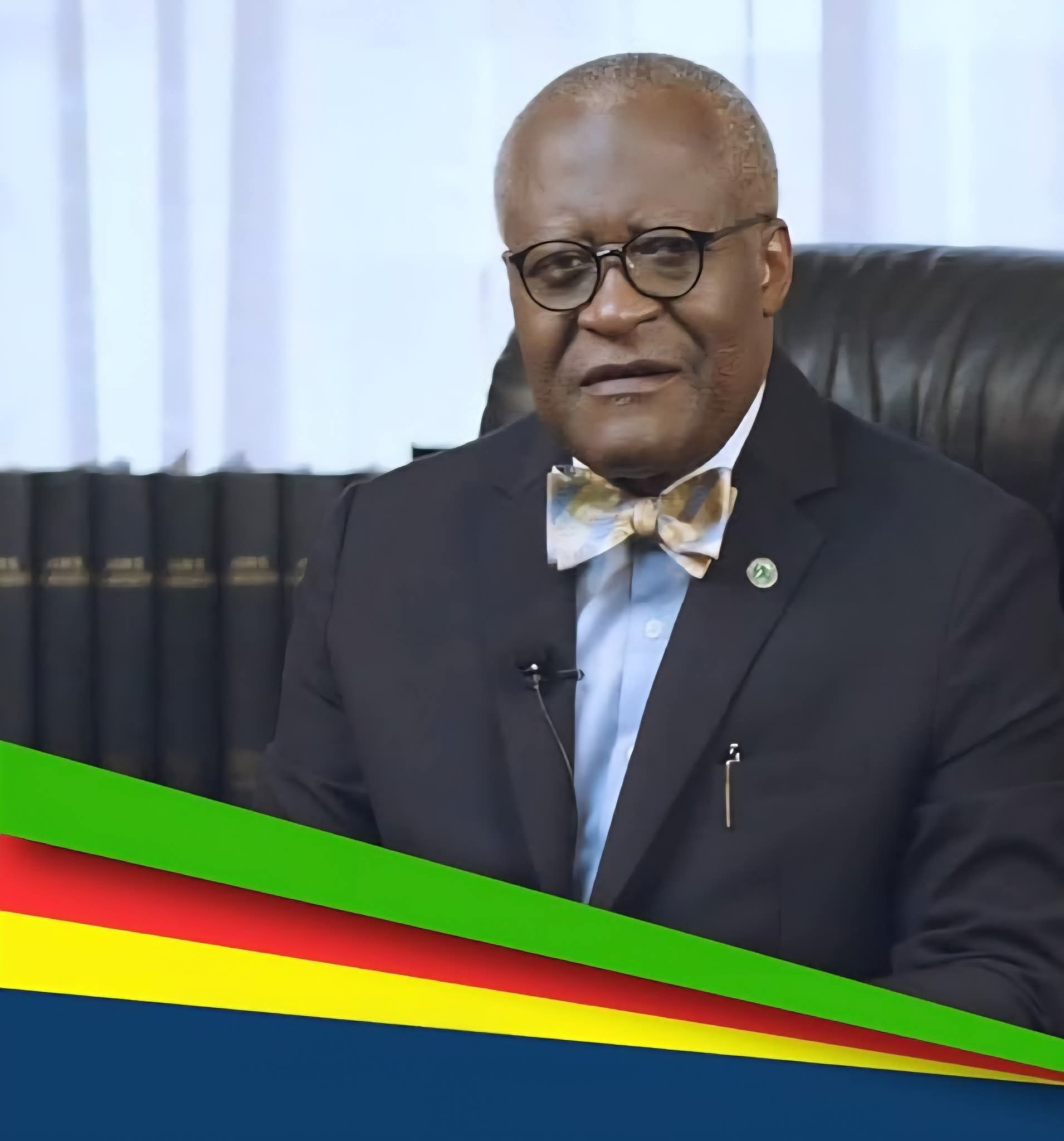
In a bold and uncompromising statement titled “A Betrayed People,” renowned Cameroonian lawyer and civil society advocate, Barrister Akere Muna has ignited a wave of political reflection and resistance following the October 12 presidential election. His rejection of the results, declaring them fraudulent and illegitimate, has added fuel to an already volatile post-election atmosphere.
Muna, a former presidential candidate and founder of the NOW Movement, minced no words in his condemnation. He accused the Constitutional Council of serving as a mere “rubber stamp” for President Paul Biya’s regime, which has held power for over four decades. According to Muna, the entire electoral process amounted to a “constitutional coup d’état,” citing voter fraud, manipulation of results, and the shocking inclusion of his own withdrawn candidacy on the ballot.
His critique goes beyond the ballot box. Muna warned that the continued detention of opposition leaders is “not a sign of strength but the act of a regime paralyzed by fear of its own citizens.” This statement resonates deeply in a country where political dissent is often met with swift and harsh repression.
In his October 27 declaration, Muna laid out two urgent demands:
- Immediate and unconditional release of all political prisoners and arbitrarily detained citizens
- Launch of a sovereign national dialogue to negotiate a framework for democratic transition
These demands reflect a growing chorus of voices calling for systemic change in Cameroon. Muna’s insistence on a “legitimate, just, and united Cameroon” is not just a political statement—it’s a vision for a nation that has long struggled under the weight of authoritarian rule.
International observers have expressed concern over the integrity of the election and the escalating tensions in the country. Protests have erupted across major cities, and the legitimacy of Biya’s eighth term is being questioned both at home and abroad.
Akere Muna’s statement is more than a rejection—it’s a rallying cry. It challenges Cameroonians to envision a future where power is not inherited through manipulation, but earned through genuine democratic choice.
The road ahead is uncertain. But one thing is clear: voices like Muna’s are refusing to be silenced. Whether his call for national dialogue gains traction will depend on the courage of citizens, the integrity of institutions, and the willingness of the international community to stand for democratic principles.
Cameroon stands at a crossroads. The question is not just who leads—but how that leadership is chosen.