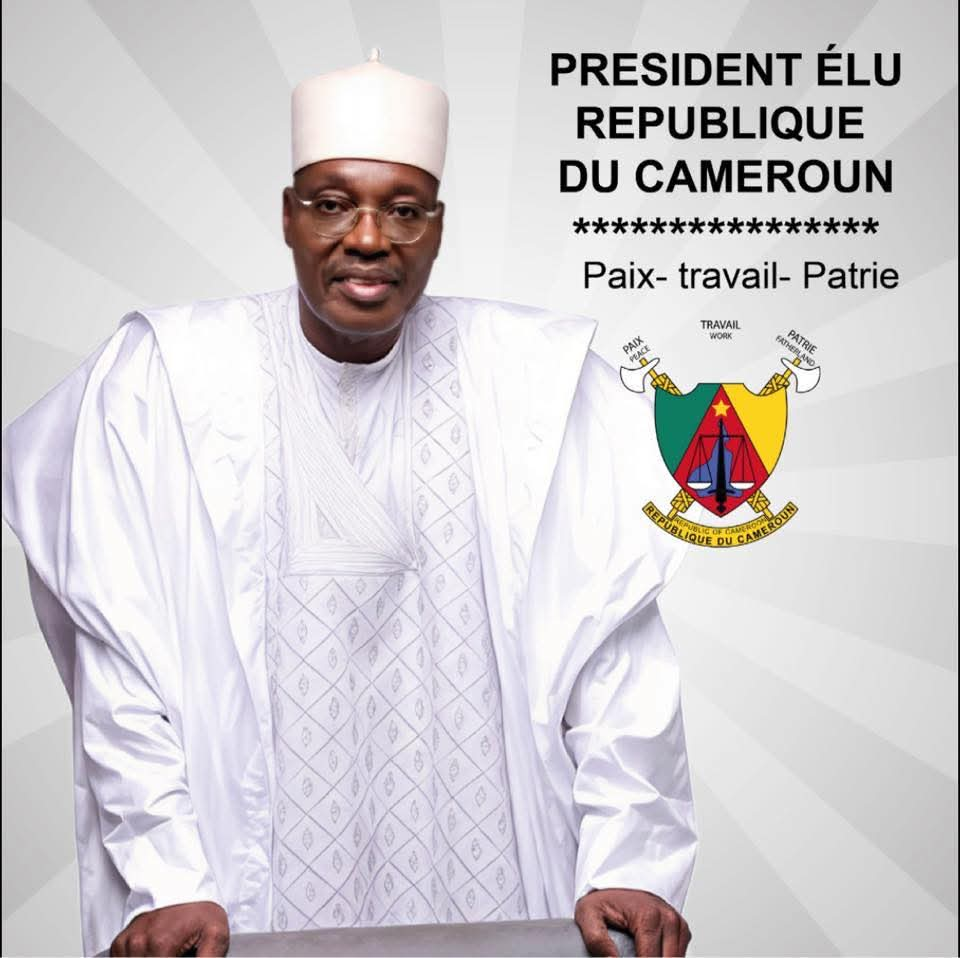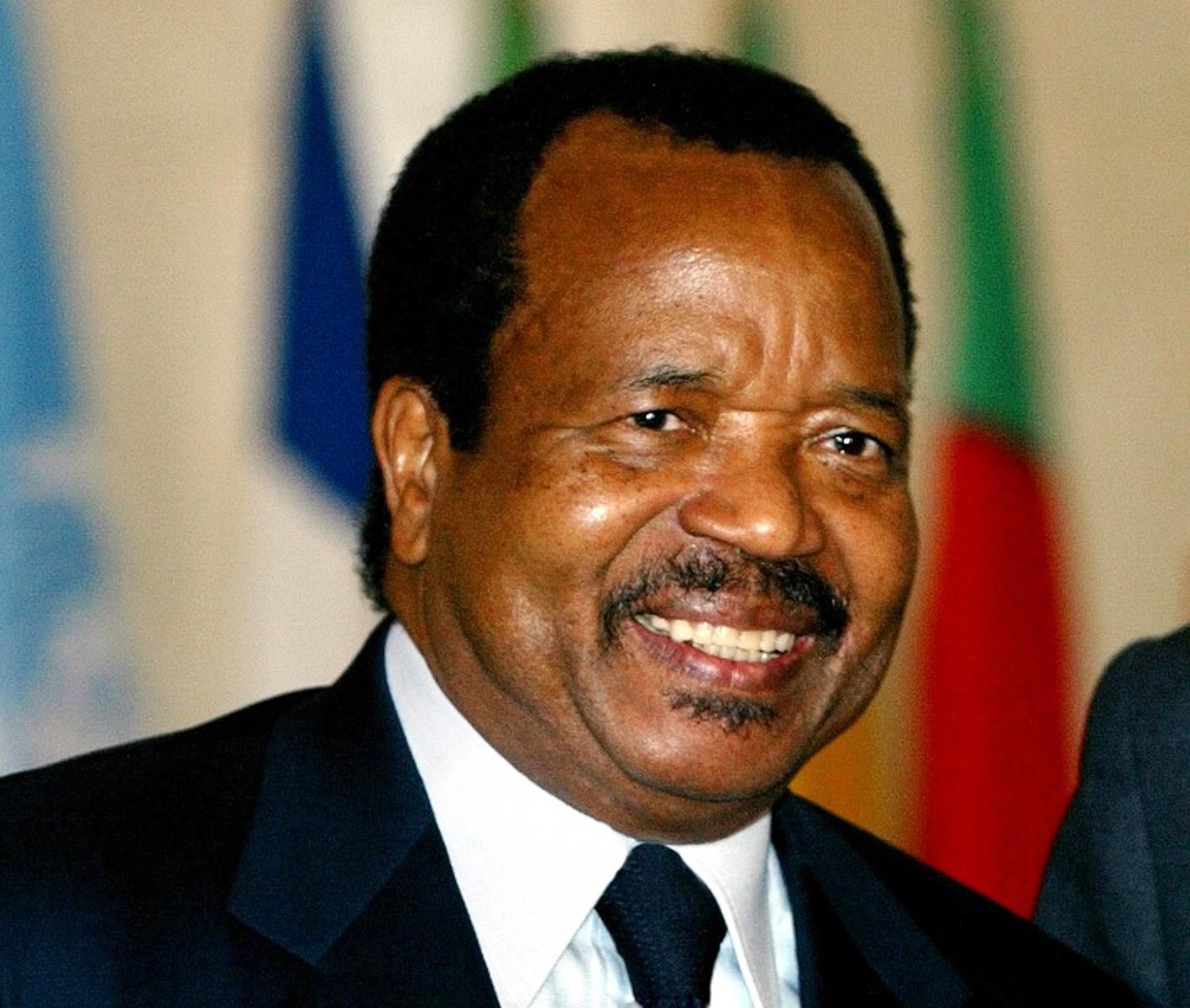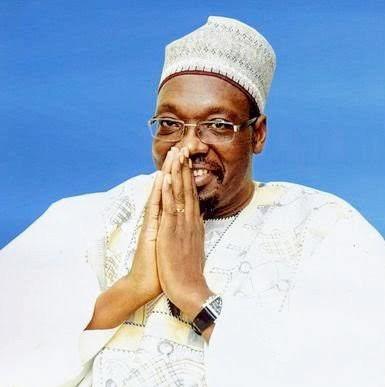
Cameroon stands at a crossroads. With the presidential election slated for 12 October 2025, the opposition has taken a bold step: on 13 September, during the “Union for Change 2025” general assembly in Yaoundé, Issa Tchiroma Bakary was named the opposition’s consensus candidate to challenge long-serving President Paul Biya.
This announcement has sparked both hope and skepticism. Can Tchiroma truly unify a fractured opposition? Can his political past be reconciled with the aspirations of a weary electorate? And can this “consensus” be more than symbolic in a system historically tilted toward incumbents?
The coalition behind Tchiroma’s candidacy, Union for Change 2025, is an informal alliance of opposition figures and parties rallying around a transitional programme. Their key pledges include:
- A single transitional term (3–5 years) to rebuild institutions weakened by decades of centralized rule.
- Deep reforms: constitutional and electoral code changes, recognition of dual nationality, national reconciliation, and universal access to electricity and internet.
- Youth and women inclusion, aiming to address long-standing marginalization.
These proposals resonate with widespread frustrations: stagnation, poor infrastructure, weak democratic institutions, and silenced voices. For many, this feels like a pivotal moment.
Yet, Issa Tchiroma Bakary is no stranger to power. A former minister and government spokesperson, he has long navigated Cameroon’s political landscape, often aligned with ruling structures. Critics point to:
- Party-switching and past regime affiliations that raise doubts about his consistency.
- Skepticism from opposition factions who question whether he represents a true break from the past.
- The “consensus” label itself, some major opposition players were absent from the Yaoundé meeting, casting doubt on the breadth of support.
Cameroon’s opposition has long struggled with fragmentation. A recent analysis highlights recurring internal divisions, weak alliances, and limited capacity, challenges that persist today.
- Legitimacy: Will other opposition candidates step aside, or will they split the vote?
- Mobilization: Disenfranchised voters, especially supporters of Maurice Kamto must be engaged.
- Electoral fairness: Concerns remain over the neutrality of the electoral commission and media access.
- Public trust: Decades of broken promises have bred cynicism. Only consistent, transparent action can restore belief.
Despite the risks, Tchiroma’s nomination may mark a shift:
- It reflects a growing recognition that unity is essential.
- It offers a single face for opposition forces to rally around.
- It aligns with a popular demand for change that transcends party lines.
If executed with discipline and sincerity, this could be more than an election, it could be the start of a genuine transition: rebuilding institutions, expanding inclusion, and laying the groundwork for democratic renewal.
To turn promise into impact, the opposition must:
- Engage all stakeholders: civil society, diaspora, youth, and marginalized communities.
- Publish a transparent transitional roadmap with clear timelines and accountability.
- Clarify messaging: explain how reforms will be implemented and how they’ll affect daily life.
- Build trust through grassroots engagement and listening tours.
- Guard against internal sabotage.
Issa Tchiroma Bakary’s candidacy is a gamble, risky, but perhaps necessary. It carries the weight of past allegiances and the hope of future transformation. Whether this unity holds, whether it delivers real change, or whether it fades into another headline, remains to be seen.
But one thing is clear: Cameroon’s future won’t be shaped by slogans, but by solidarity, sacrifice, and real political will.